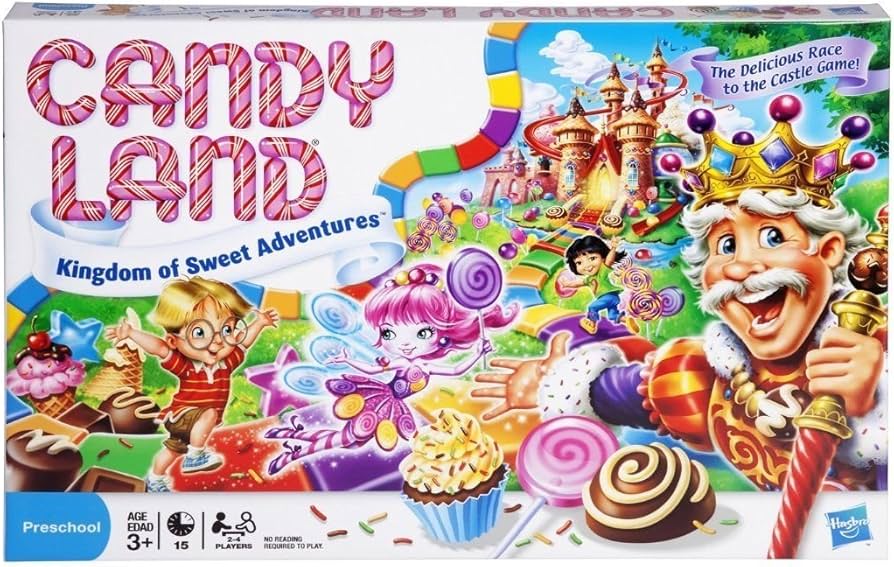
Candy Land Board Game
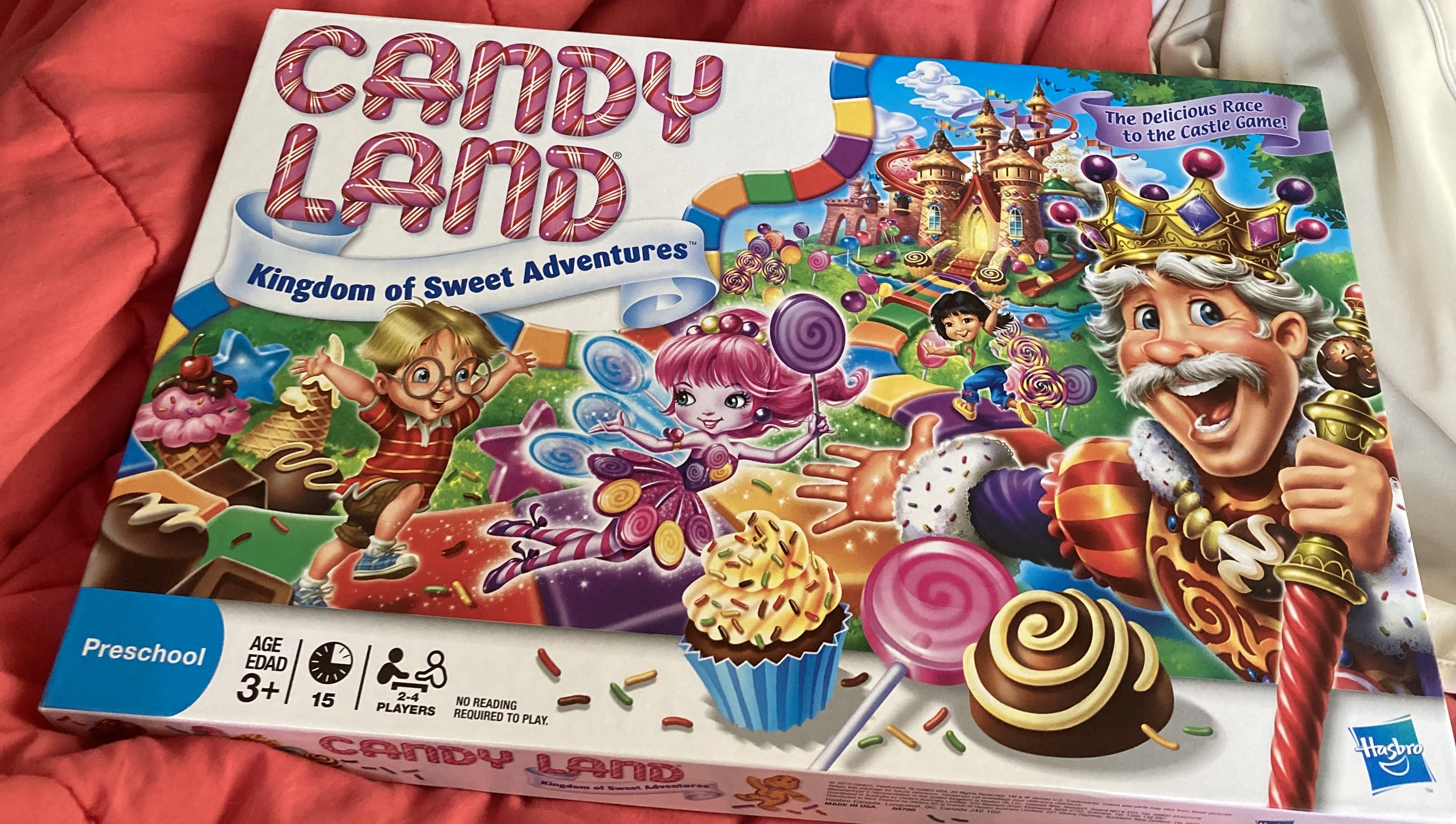
The classic children's game where players journey through a colorful kingdom of sweets. Perfect for ages 3 and up, no reading required.
Get the Game
What's Inside the Box
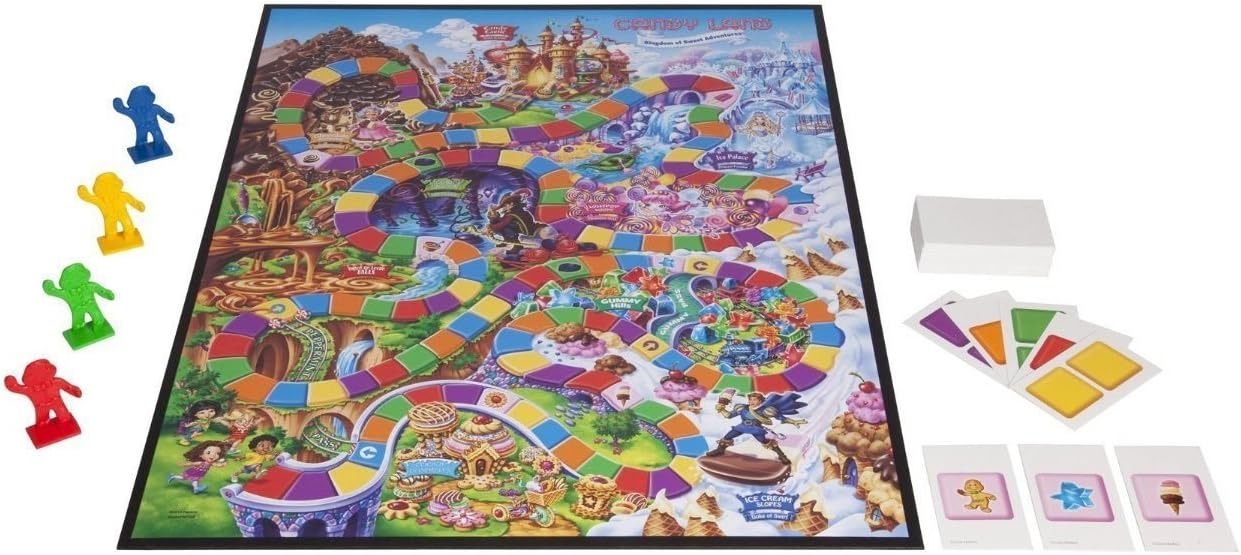
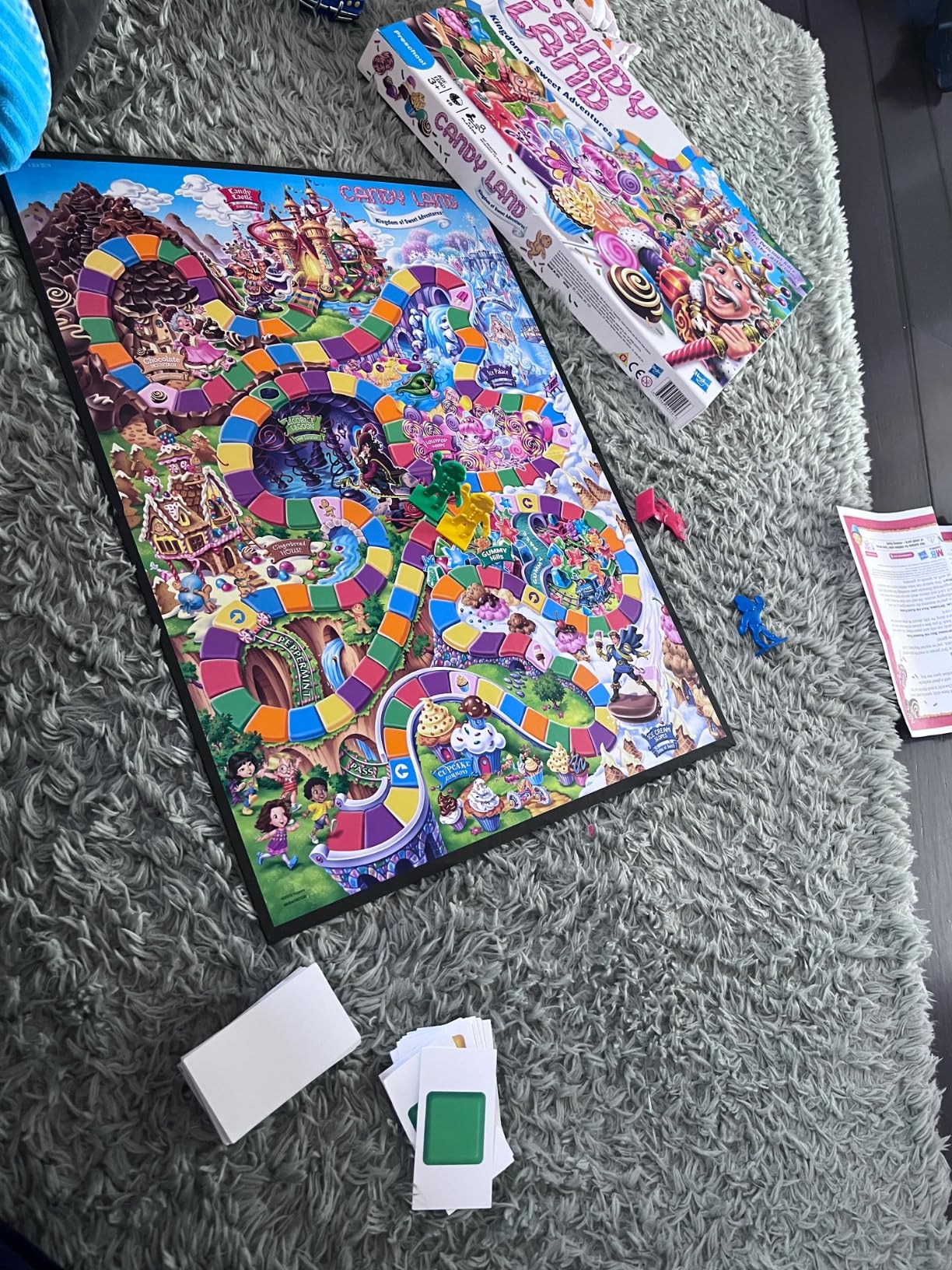
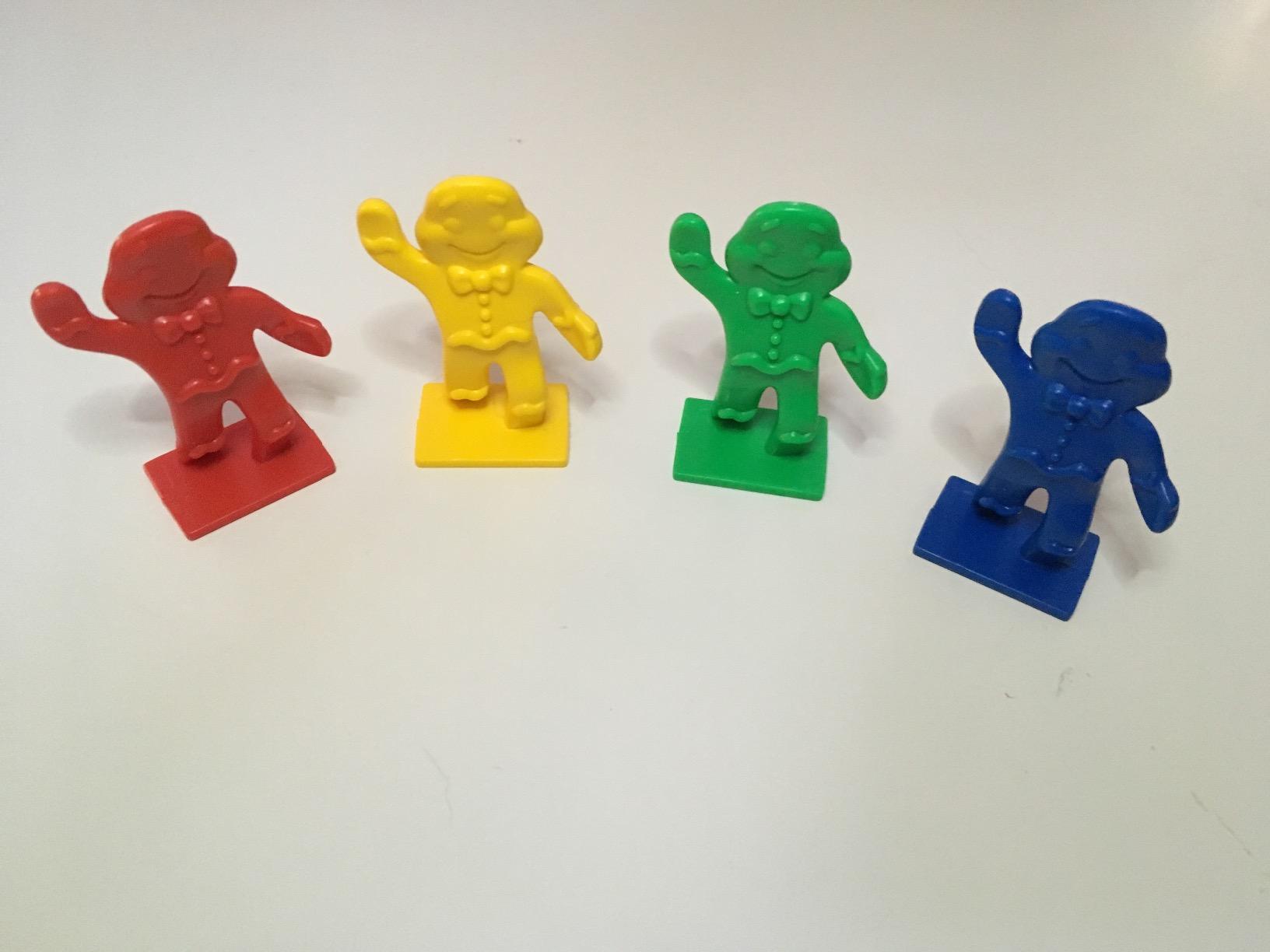
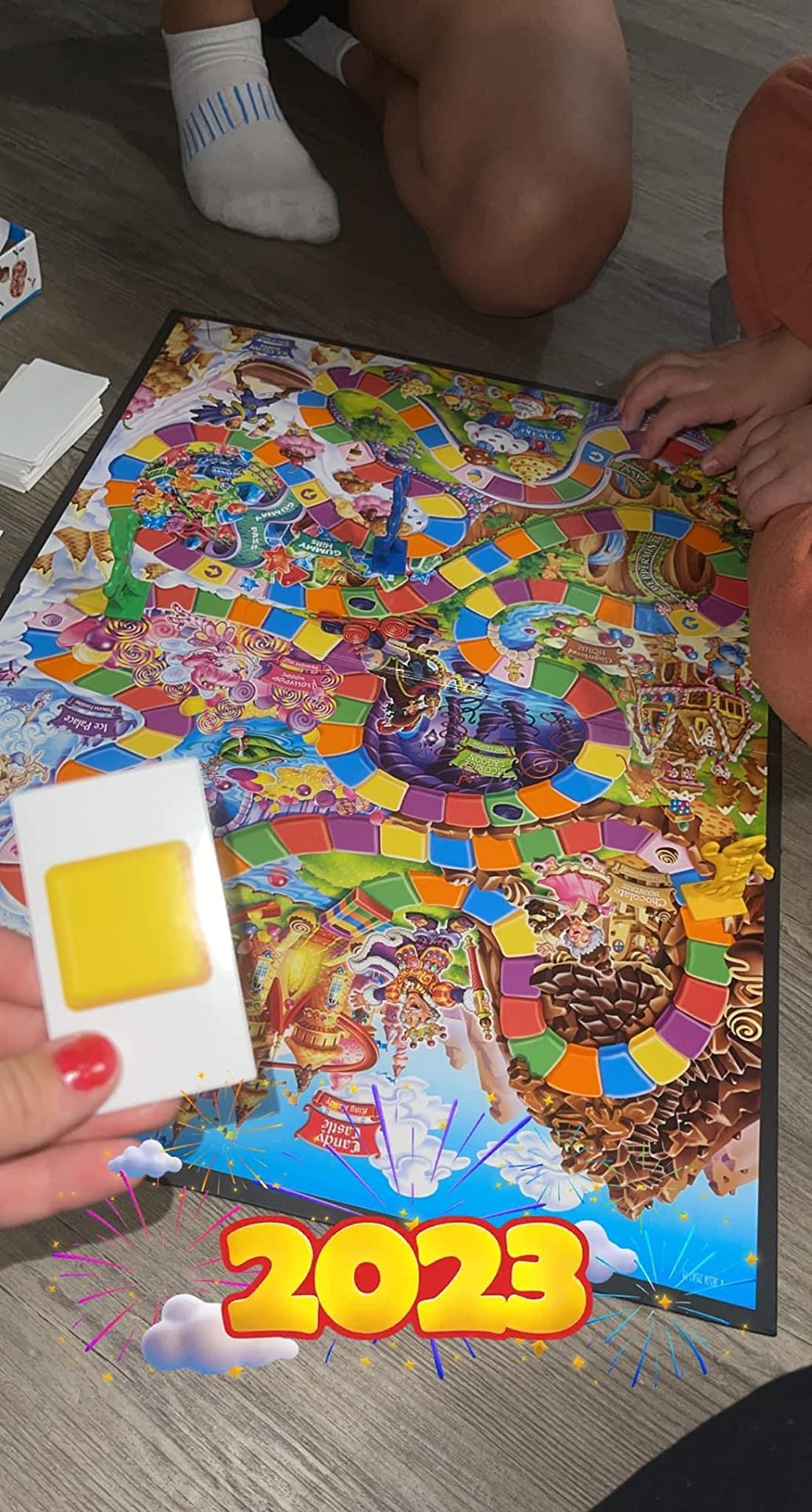
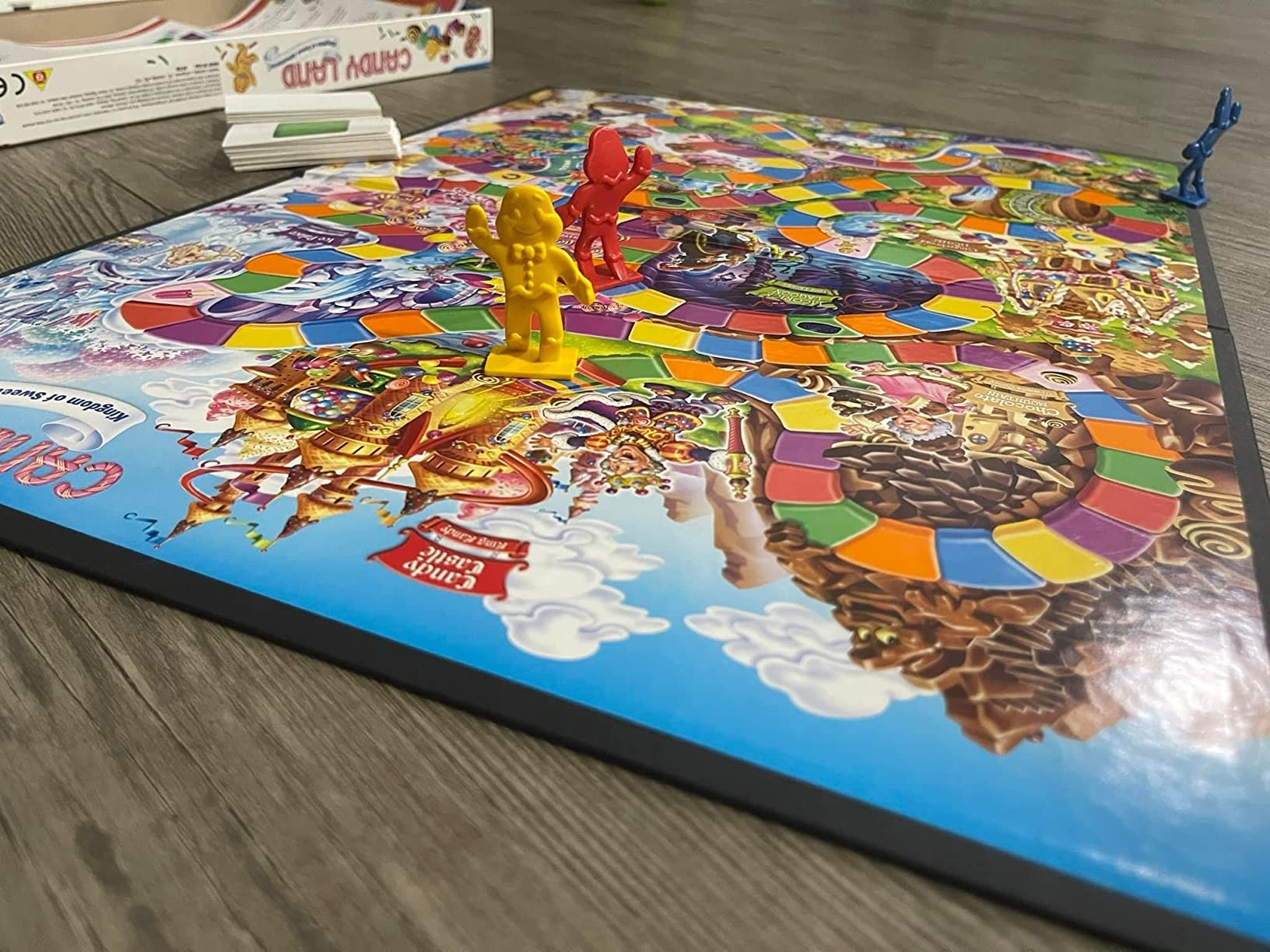
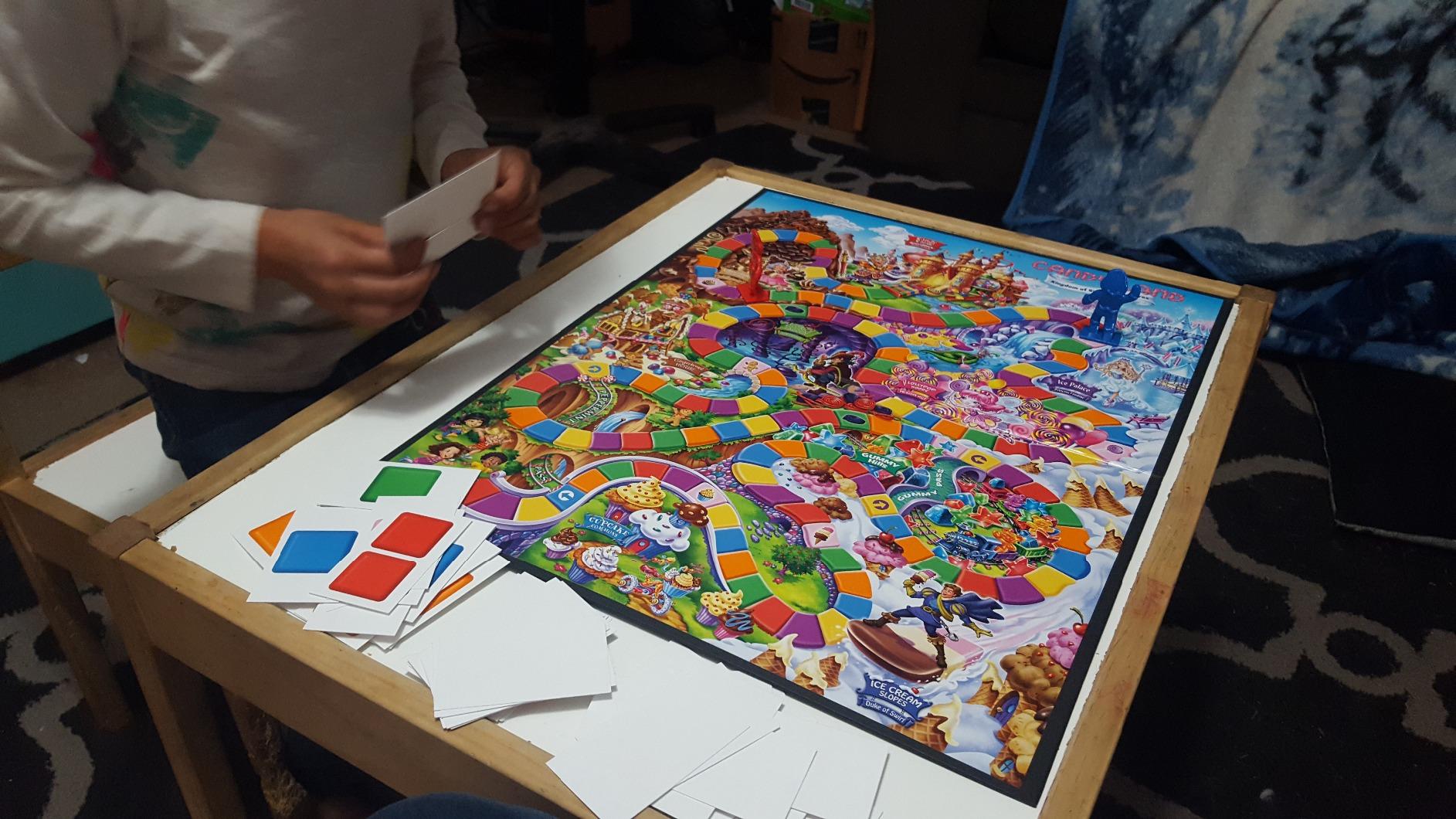
Candy Land is a simple racing board game where young children draw color-coded cards and move their gingerbread pawn along a winding rainbow path through a magical kingdom of candy and sweets.
- ✓2-4 players, ages 3+
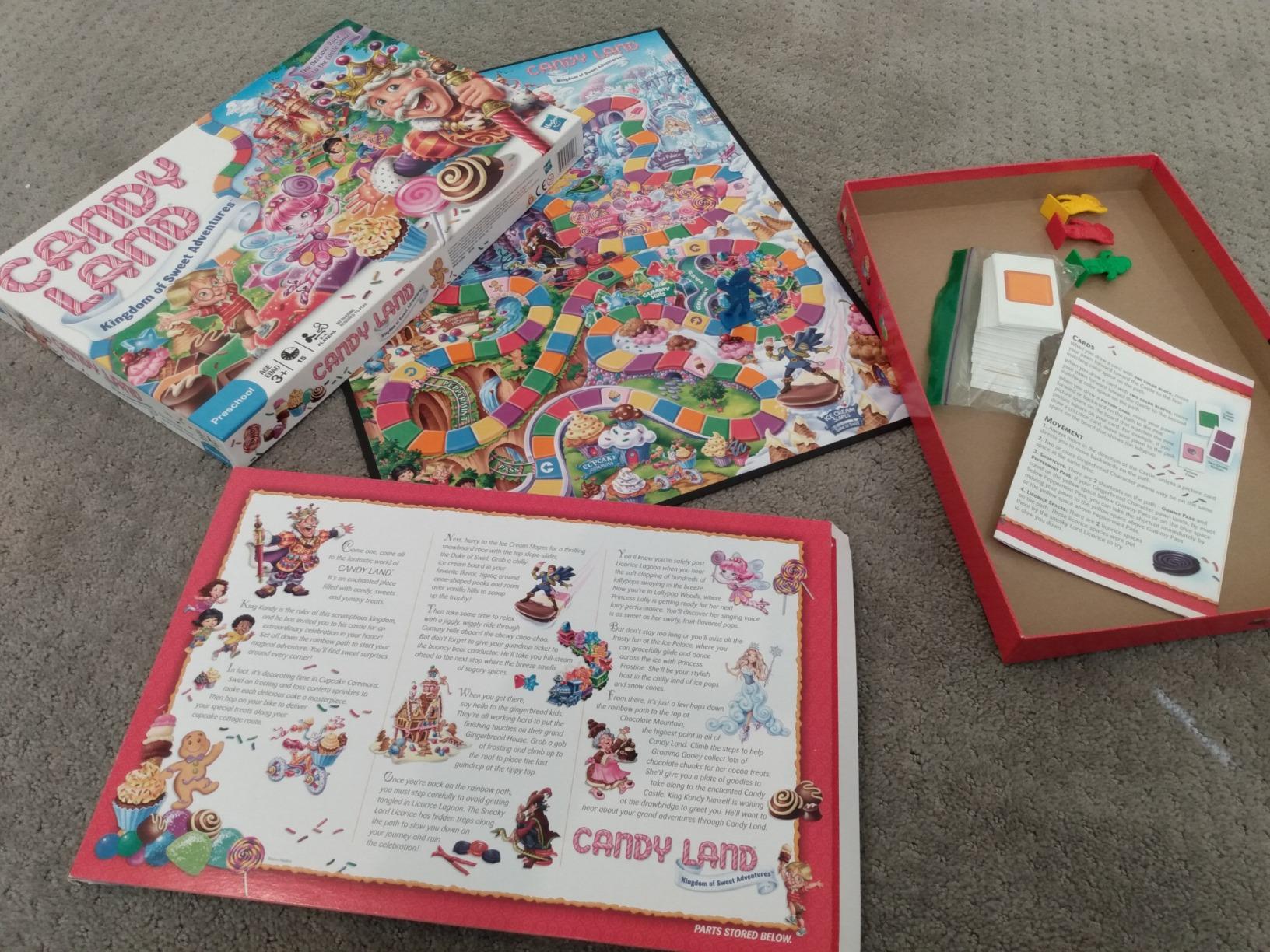
- ✓Game board with rainbow path
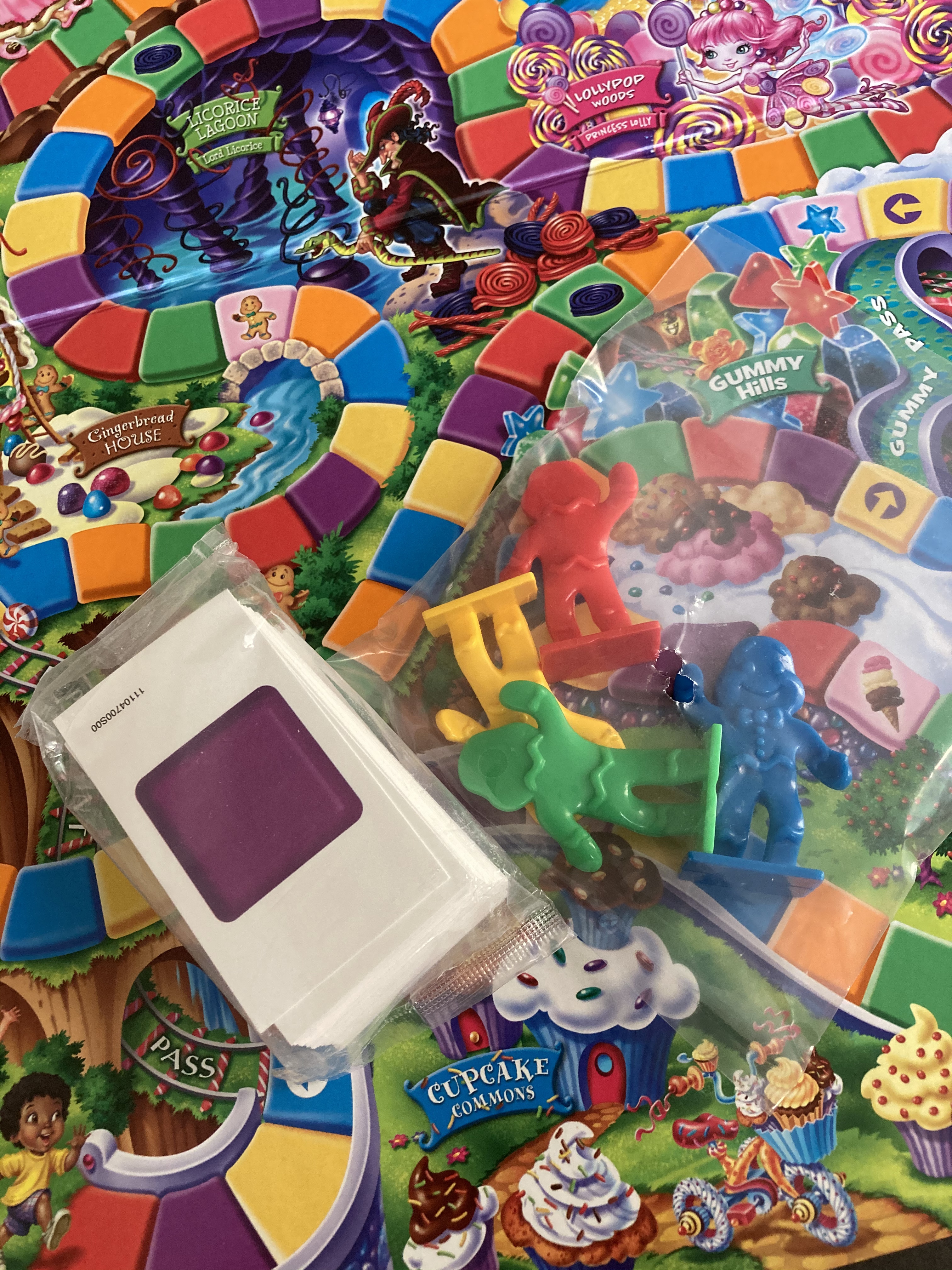
- ✓Color-coded cards (no reading needed)
- ✓4 gingerbread pawn playing pieces
- ✓Instructions in English and Spanish
Why Parents Love Candy Land
No Reading Required
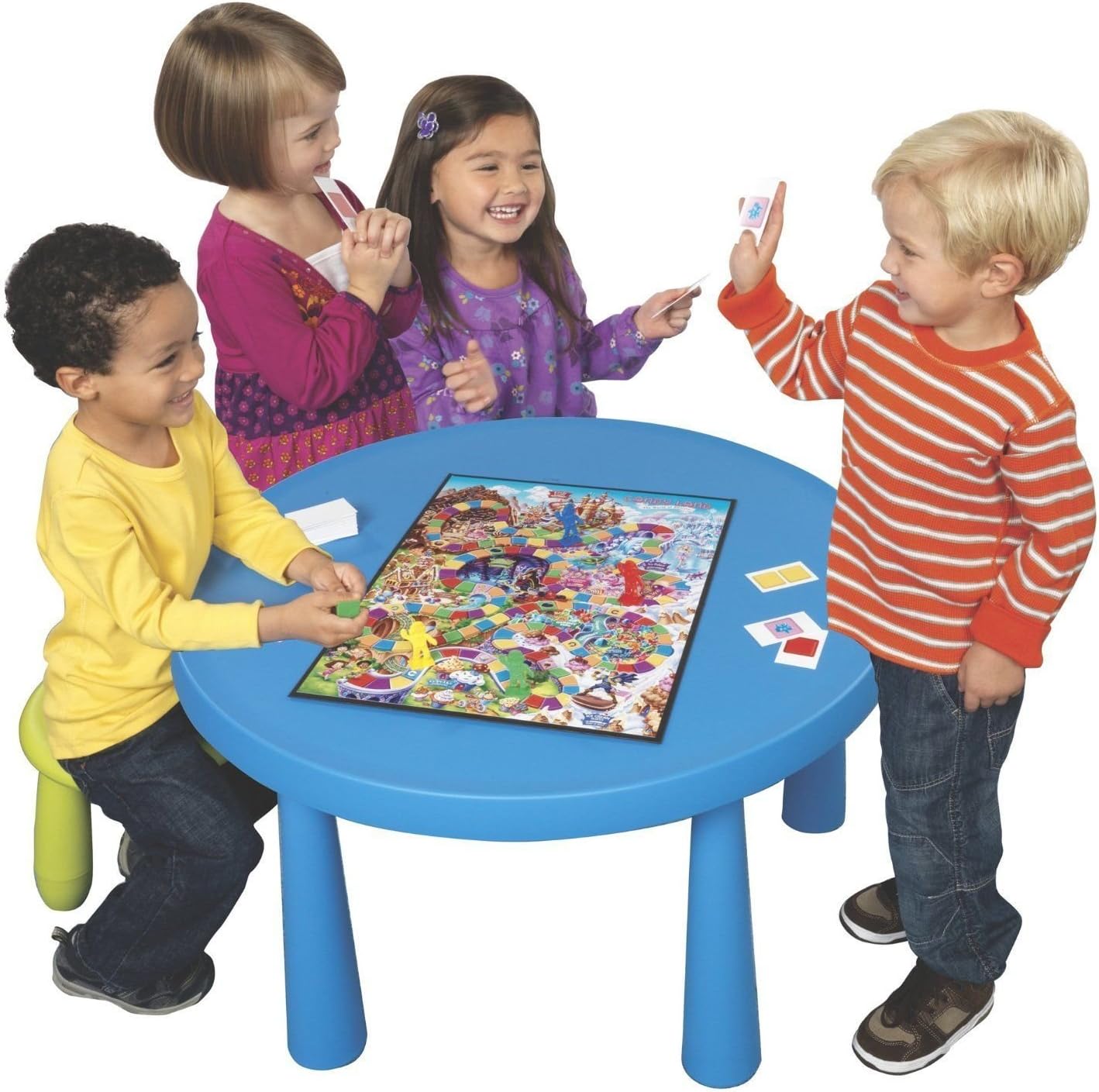
Color-coded cards make this game perfect for preschoolers who haven't learned to read yet. Children as young as 3 can play independently.
Easy to Learn
Simple rules that can be explained in under a minute. Draw a card, match the color, move your pawn. Perfect introduction to board games.
Teaches Key Skills
Children develop color recognition, turn-taking, following rules, and learning to handle winning or losing gracefully.
Fair for Everyone
Pure luck-based gameplay means every player has an equal chance of winning, regardless of age or experience.
A Journey Through the Kingdom of Sweets
Players race along a winding rainbow path, passing through iconic candy-themed locations on their way to find King Kandy at the castle.
- Cookie Commons
- Chocolate Mountain
- Queen Frostine's Ice Palace
- Molasses Swamp
- Candy Castle
What Parents and Grandparents Say
Based on 40,000+ customer reviews on Amazon
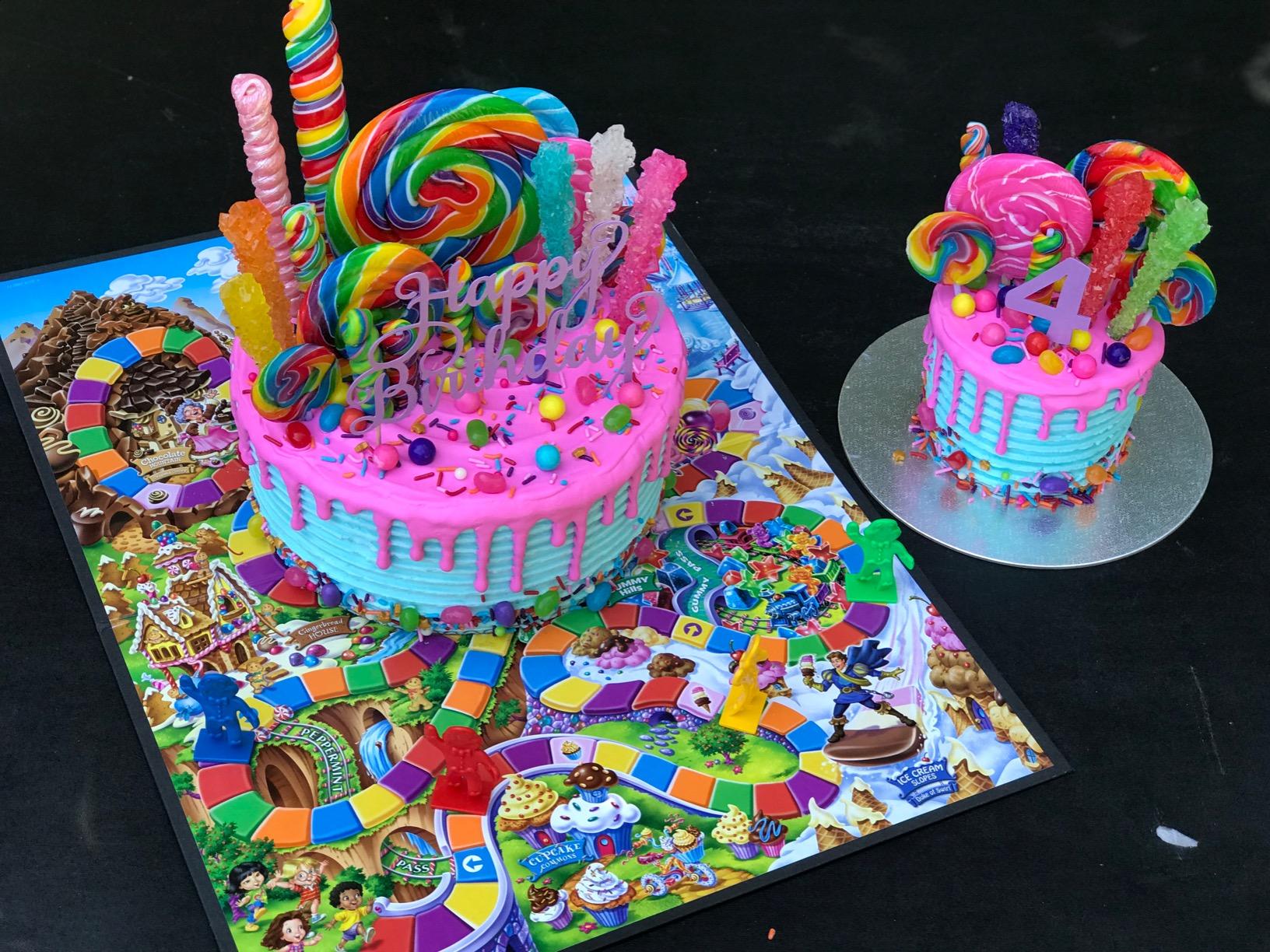
"Candy Land is a classic for a reason. It's super easy for kids to pick up since there's no reading or complicated rules—just colorful cards and a fun candy-themed path. I played it a lot as a kid, and now seeing younger ones enjoy it just as much is really sweet."
Hannah
"Candy Land is such a classic and always so much fun to play as a family! My kids love the bright colors and fun characters, and it's super easy to set up and play—even for little ones. It's also a great way to practice taking turns and recognizing colors."
Allie
"Loved this game as a kid so I got it for my granddaughter. She really enjoys playing it. She is 2 and it is suitable for her."
Chris
"Just opened it today and played with our 4 year old. He absolutely loved it and it was easy enough for him to grasp quickly. He can't wait to play it again tomorrow so I'd consider this purchase a win."
Mae
"Probably the easiest board game for young children to learn and most assuredly doesn't sacrifice fun. I remember playing this as a child (some 60+ years ago). Always had a good time. Great entertainment on rainy or snowy days."
Dan
"Grew up with this game. Think kids these days are missing out. Board games are awesome!! NO batteries required. Donating to Toys for Tots. Hope some kid has fun with this game from my childhood."
Susan
About Candy Land
Candy Land is one of the most enduring children's board games in the world. It was created in 1949 by Eleanor Abbott while recovering from polio in a San Diego hospital. Surrounded by children also battling the disease, Abbott designed a game that removed traditional barriers such as reading and complex rules - offering an imaginative escape that anyone could enjoy.
Milton Bradley, a pioneer of modern board games and educational play, purchased the game and released it to the public. The concept was simple yet brilliant: players draw color-coded cards and move their gingerbread pawn along a rainbow path through a kingdom of confectionery landmarks - from Cookie Commons to Chocolate Mountain, past Queen Frostine's icy domain and the sticky Molasses Swamp - all in search of the missing King Kandy.
The game's genius lies in its accessibility. With no reading required, no skill advantage, and equal chances for every player, Candy Land became the definitive first board game for generations of children. It focuses on color recognition, turn-taking, and imagination rather than competition or strategy - foundational skills wrapped in a storybook setting of pure whimsy.
A Timeless Classic
Over the decades, Candy Land became a staple in households, nurseries, and classrooms across the United States and beyond. Characters such as King Kandy and destinations like Chocolate Mountain became instantly recognizable symbols of early childhood play.
Today, published under Hasbro, Candy Land continues its legacy as a trusted first board game for children aged 3 and up. Modern editions preserve the classic gameplay while updating artwork and components to meet current quality standards - but the core experience remains unchanged.
Candy Land's lasting success comes from its simplicity, warmth, and timeless appeal. It remains not just a game, but a cultural touchstone connecting parents, grandparents, and children through a shared journey down a brightly colored path.
Start Your Sweet Adventure Today
Get Candy Land and create magical memories with the little ones in your life.
Shop on AmazonFrequently Asked Questions
What is Candy Land?
Candy Land is a classic board game designed for young children. Players draw color-coded cards and move their gingerbread pawn along a rainbow path through a kingdom of sweets, racing to reach the castle first.
Who created Candy Land?
Candy Land was created in 1949 by Eleanor Abbott, a schoolteacher recovering from polio in a San Diego hospital. She designed the game to entertain children in the ward who were also battling the disease.
Who publishes Candy Land today?
Candy Land is currently published by Hasbro Gaming. The game was originally produced by Milton Bradley, which later became part of the Hasbro family of brands.
What age is Candy Land suitable for?
Candy Land is designed for children aged 3 and up. It serves as an ideal first board game because it requires no reading, counting, or complex decision-making.
How many players can play Candy Land?
The game supports 2 to 4 players, making it suitable for small family groups or playdates.
Do children need to know how to read to play?
No. Candy Land uses color-coded cards instead of text, allowing pre-readers to play independently. This was a core principle of the original design.
What skills does Candy Land teach?
The game helps children develop color recognition, turn-taking, following simple rules, and handling winning or losing gracefully - all fundamental social and cognitive skills for early childhood.
What is included in a standard Candy Land set?
A typical set includes a game board, a deck of color-coded cards, four gingerbread pawn playing pieces, and instructions in English and Spanish.
How long does a game of Candy Land take?
Most games last between 15 and 30 minutes, depending on the card draws. The short playtime suits young children's attention spans.
Is there strategy involved in Candy Land?
No. Candy Land is a pure luck-based game with no strategic decisions. Every player has an equal chance of winning regardless of age or experience, which keeps the game fair for the youngest players.
Who are the characters in Candy Land?
The game features several iconic characters, including King Kandy (the ruler of Candy Land), Queen Frostine, and various sweet-themed personalities. Destinations include Chocolate Mountain, Cookie Commons, and Molasses Swamp.
Are there different versions of Candy Land?
Yes. Over the decades, Hasbro has released various editions with updated artwork and components. Special themed versions have also appeared. All editions preserve the core gameplay mechanics.
Where can Candy Land be purchased?
Candy Land is widely available through major retailers, toy shops, and online marketplaces including Amazon. It is sold in the United States and many other countries worldwide.
Is Candy Land suitable for classroom use?
Yes. The game is commonly used in nurseries, preschools, and early years classrooms as a tool for teaching colors, social interaction, and basic game-playing skills.
Why has Candy Land remained popular for over 70 years?
The game's lasting appeal comes from its simplicity, accessibility, and warmth. It creates shared moments between generations and serves as a gentle introduction to the joy of tabletop play - a role no other game has filled quite as successfully.
Looking for More Games?
Explore our handpicked selection of best board games for every occasion.